 Blog
Blog
 Feb 16, 2026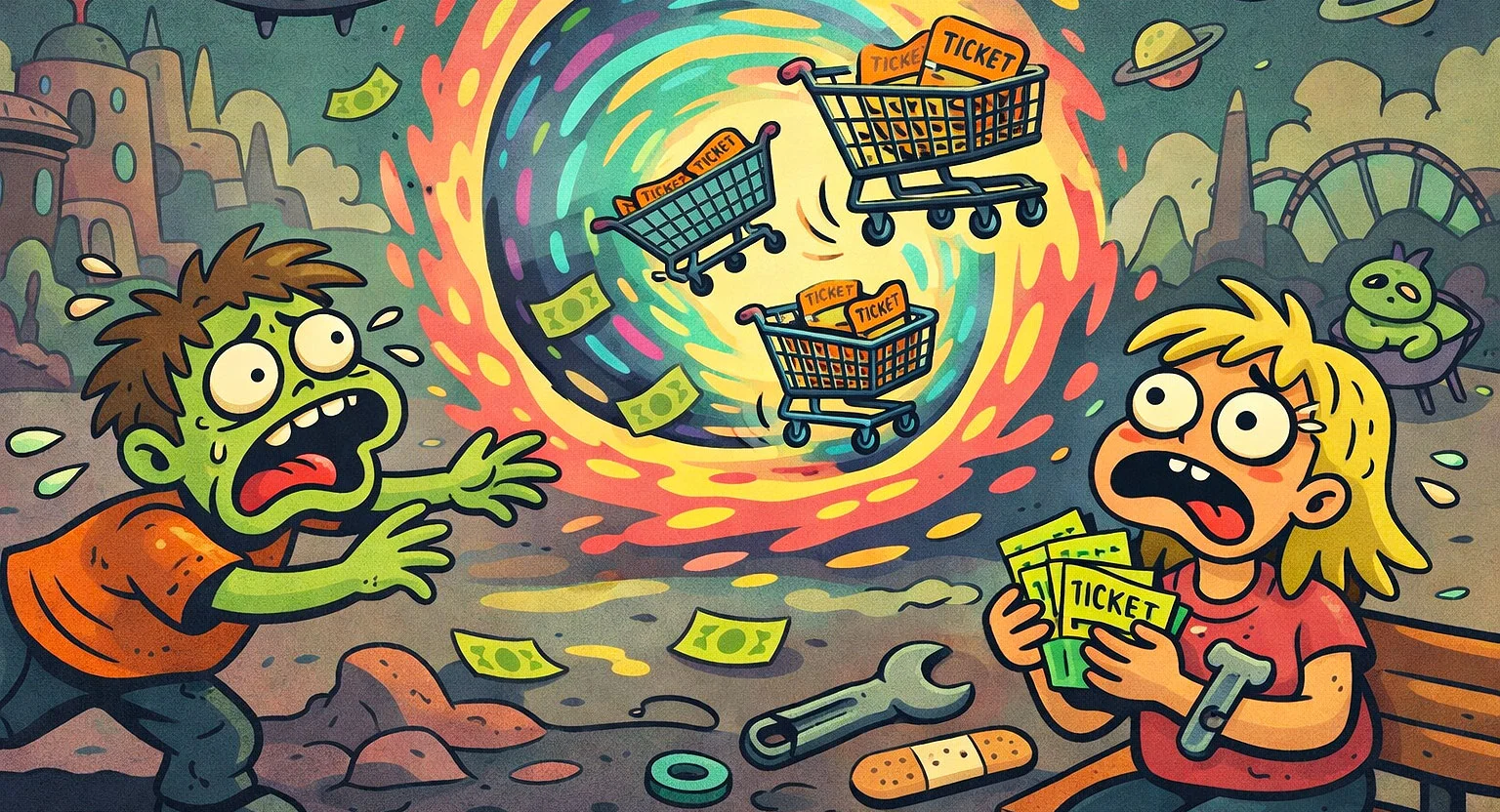
Are your event ticket sales having abandonment issues? Are people visiting your ticket portal, making some signs that they want to be there and then ghosting you? You’re not alone, cart abandonment is a problem most event organizers face. While consumer actions can be confusing and stressful, they can also be overturned.
Let’s take a look at what commonly leads to consumers saying “maybe next time” and explore some of the things you can do to turn that hesitation into “there’s no way I’m missing this.”
What is “Cart Abandonment?”
Think of the last time you went to the grocery store. You might have seen an orphaned cart near the checkout lanes but you were more likely to see a cart with one or two items sitting sadly by the side of aisle seven.
Those same consumer behaviours translate to the ticket purchasing experience as well. Later, as we look at ways to combat cart abandonment it will be important to remember that, just like at the market, there is not one particular point in the shopping experience where consumers walk away.
Why Changing Checkout Strategies Matters
Cart abandonment doesn’t just impact your bottom line today, it can have long-term repercussions for your business. That’s because 40% of consumers will leave their cart and head over to a competitor in the hopes of a better, and perhaps cheaper, purchasing experience. And when they find it? They’ll be going back there again and again for future events and they’ll be shouting the praises of that site to everyone they know.
7 Common Reasons People Leave Their Cart
From costs to questions, there are a number of factors that can cause consumers to leave your site before completing a sale.
1. “Mom, where’s the…”
There are some consumers who leave their tickets in limbo unintentionally. They might be navigating the purchase process when they are pulled away by a family need or work call.
2. Is Bob Coming?
When a group attends an event there is often one person in charge of getting the tickets. They may be in the process of doing that when the texts start coming in of people dropping out or new friends wanting to attend. As they attempt to get the final count, their cart goes unattended.
3. It Costs How Much?!
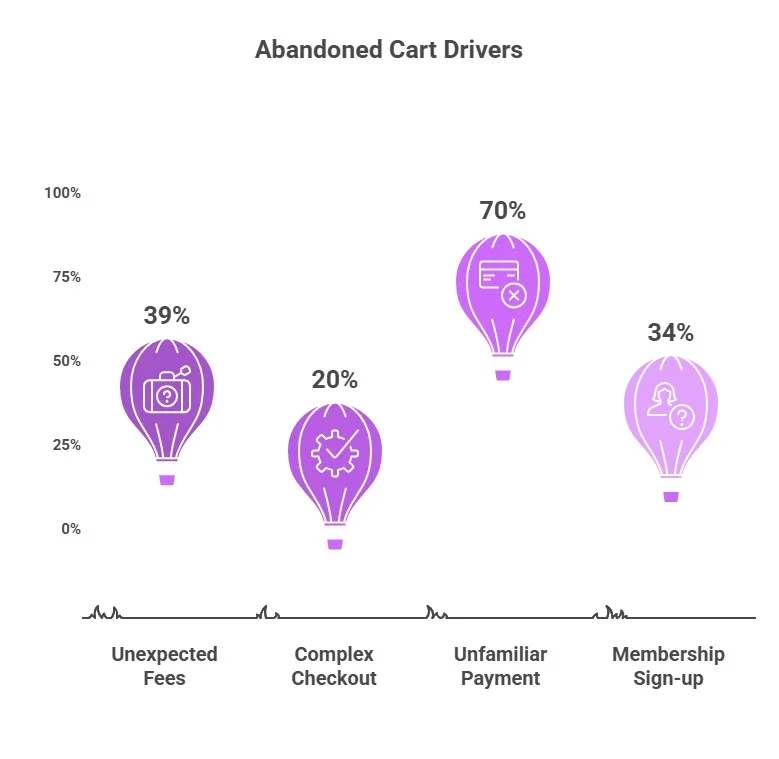
One of the biggest drivers of cart abandonment happens late in the purchasing process. During checkout if consumers are hit with costs and fees they didn’t see coming they will leave mid-purchase. According to a survey by AudienceView, unexpected fees cause 39% of consumers to walk away from their cart at the checkout.
4. What’s This Now?
When people are ready to check out, that’s what they want to do. They don’t want to have to go through multiple screens of event add-ons and merchandise sales. 20% of potential event attendees leave their cart when the checkout process becomes too complex.
5. This Feels Suspicious
Primer, a payment processing company, found that over half of online shoppers have concerns about the safety of their information during an online transaction. And nearly 70% of people will walk if the payment process isn’t something they are familiar with.
6. I Have a Question
Consumers are going to have questions about an event. Particularly if it is taking place at a venue they’ve never been to before. If they can’t get an answer, they are likely to leave rather than make a purchase that might not fit their needs.
7. Member’s Only
Sometimes people just want to purchase tickets. They don’t want to join a “club” or become a member. When faced with being asked to register before checking out, 34% of consumers will bail on the process.
Knowing why people are abandoning carts is half the battle. With that information you can start to make some adjustments to keep consumers moving through the checkout process.
9 Site Changes to Decrease Cart Abandonment
There is good news here — there are proven process adjustments you can make, and an industry-leading partner you can work with, to decrease the number of abandoned carts on your site.
1. Keep Fees Low
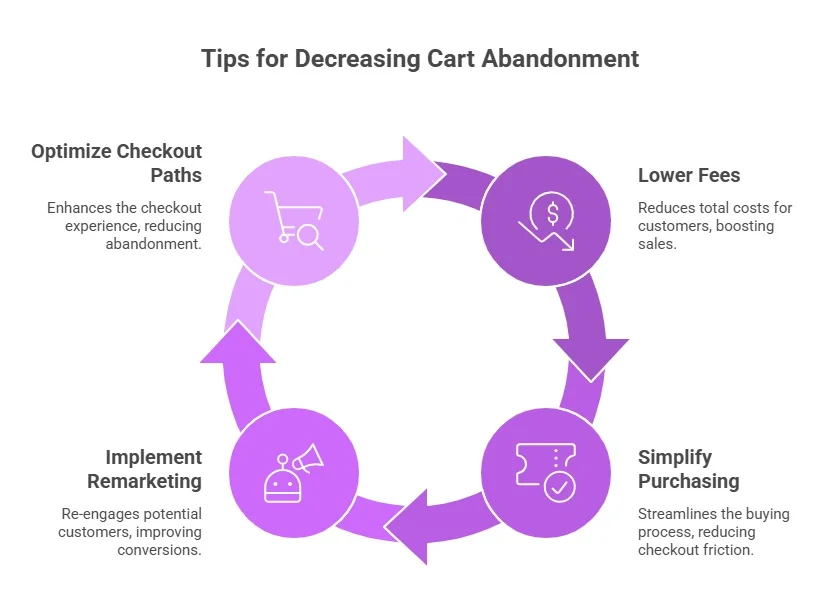
The best way to stop chasing people off is to eliminate those large, surprise fees. People will say “that’s not always easy.” Well, we’d argue that it is. That’s because TicketsCandy only adds an absolutely tiny 0.9% service fee. It’s the lowest in the industry. That means less sticker shock surprise for customers leading to more completed sales.
And lower costs can help boost sales by up to 30%.
2. Simplify the Purchasing Process
The results of a study by the Baymard Institute found that the “ideal checkout flow should be 12-14 fields.” The average ticket checkout process asks for nearly 24 pieces of unique information at the point of purchase. That’s double the amount of detail a consumer wants to give.
Ticket platforms like TicketsCandy understand that by the time a person reaches this part of their ticket purchasing journey, they just want to pay their money and move on. That’s why TicketsCandy has a simple and direct 3-step process, one that can help you see a 22% decrease in cart abandonment.
3. Be Transparent
Consumers want to be informed about where they are in the process and what’s next. You just need to find that balance between telling them what they want to know but not over explaining. Remember too much detail can have the same effect as too little.
4. Outreach Works
Having a strong reactivation email strategy can help you reengage with consumers. Particularly those with intent to purchase and were only interrupted during the purchase process. Remarketing programs like the one from TicketsCandy can improve return conversions by 20%.
5. Answer the Call
Many consumers will abandon their purchase as a last-resort. They want to purchase tickets, they’re excited about the event but…they have a question. It could be to confirm a policy or to see if kids under five need tickets. If they can’t get an answer, they’ll “come back later.” But will they?
You could create an FAQ on the site and hope that helps or you could utilize the Live Chat Support from TicketsCandy. It helps you close the sale by answering the initial questions as well as the “yes, but…” ones.
6. Keep Your Copy Clear
Clear, simple, and direct copy can keep people on the right path for their ticket purchasing journey. Your copy should set expectations on total costs and give purchasers the answers before they knew they had a question.
7. Offer an Agnostic Checkout Process
If your venue has a loyalty club and you want existing members to login to that as part of their purchasing process then that should be an option. But only an option. If there are people who are first-timers and aren’t ready to make the move to members they should be able to checkout as a guest.
Creating this two-path option can decrease cart abandonment by 24%.
8. Customize Event Pages
Every event is special and your site should treat it as such. Instead of jamming a bunch of event listings together, make the information for each event clear to the consumer by giving it its own focused page.
The result will be better informed consumers who see a clear path to get what they want.
9. Trust the Data
Any changes and adjustments you make to your process shouldn’t just happen. Look at your analytics and review the data to see where carts are being abandoned and what consumers are doing prior to that point. When adjustments are made, go back to the data and follow the change in patterns. This allows you to make adjustments that will have the maximum impact.
Conclusion
You’ve put a lot of work into your event and you want people to be there. Unfortunately venues and some ticketing platforms make the same selling mistakes over and over, losing potential attendees. And the less people that show up, the less you make and the less excitement at the event.
With TicketsCandy you can stop the cycle of cart abandonment, bring more people in the door, and watch revenue jump by 10%+
Are you ready to get started?
FAQs
- What’s the biggest reason people abandon carts before purchasing a ticket to an event?
Unexpected fees cause 39% of consumers to walk away from their cart at the checkout.
- When a person doesn’t make a purchase will they ever really come back?
Only if they’re asked. Remarketing strategies can help improve return conversions by 20%.
- If costs are the reason most people leave, what’s the way to increase sales?
Costs can do that too. Lower costs. Lower costs can help boost sales by up to 30%.