 Blog
Blog
 Mar 24, 2026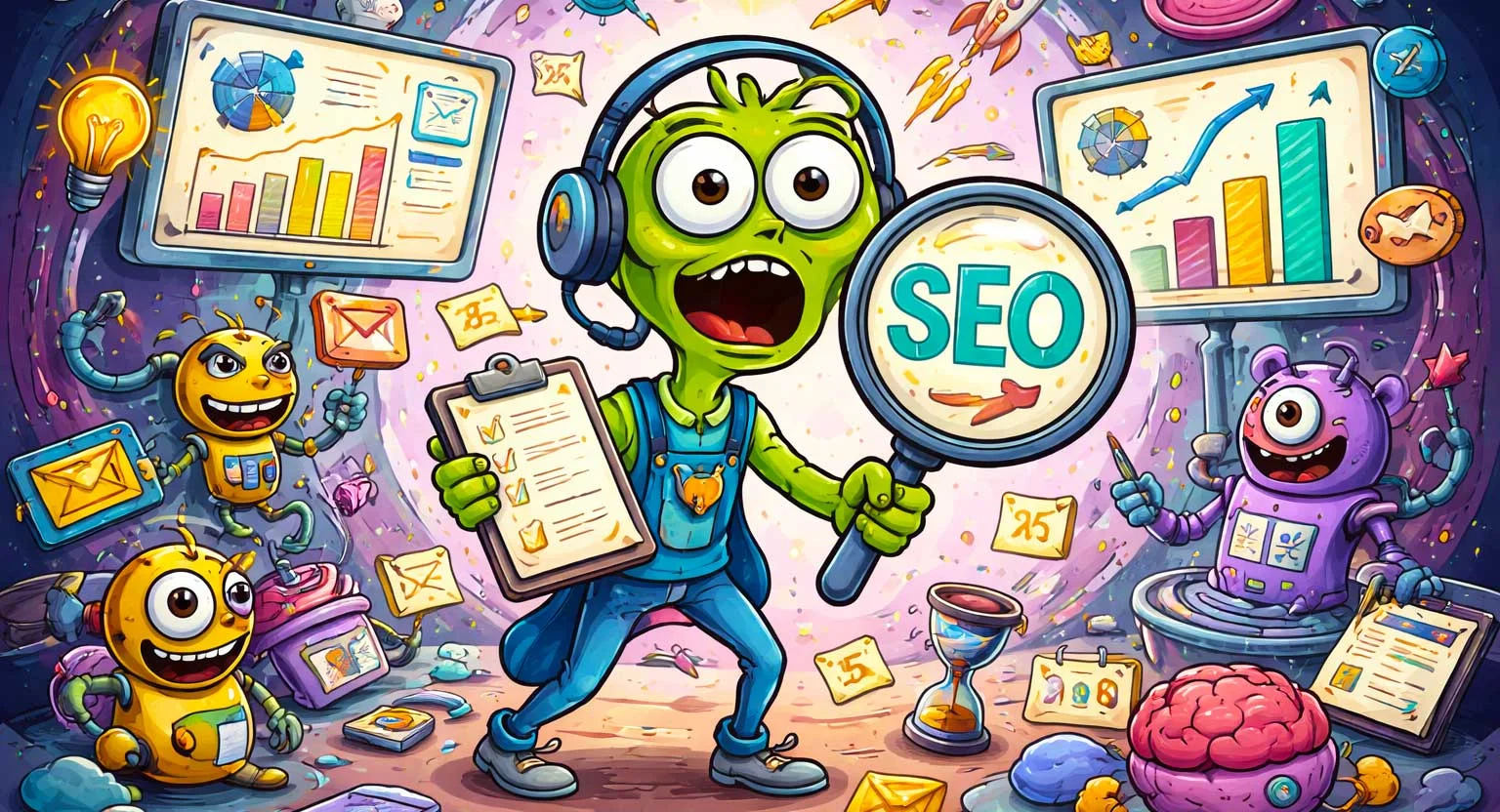
Search Engine optimization (SEO) for many, still retains a bit of mystery. While everyone who manages a website knows SEO is an important piece of the search experience there remains some question about exactly how it does what it does. That’s due in part to the secrecy Google, Yahoo, Bing and other search engines maintain around the algorithms they use to manage rankings.
Even though the specifics of those search engine algorithms are kept inside “black boxes,” there are some commonly understood adjustments you can make to your site that can improve your ranking potential.
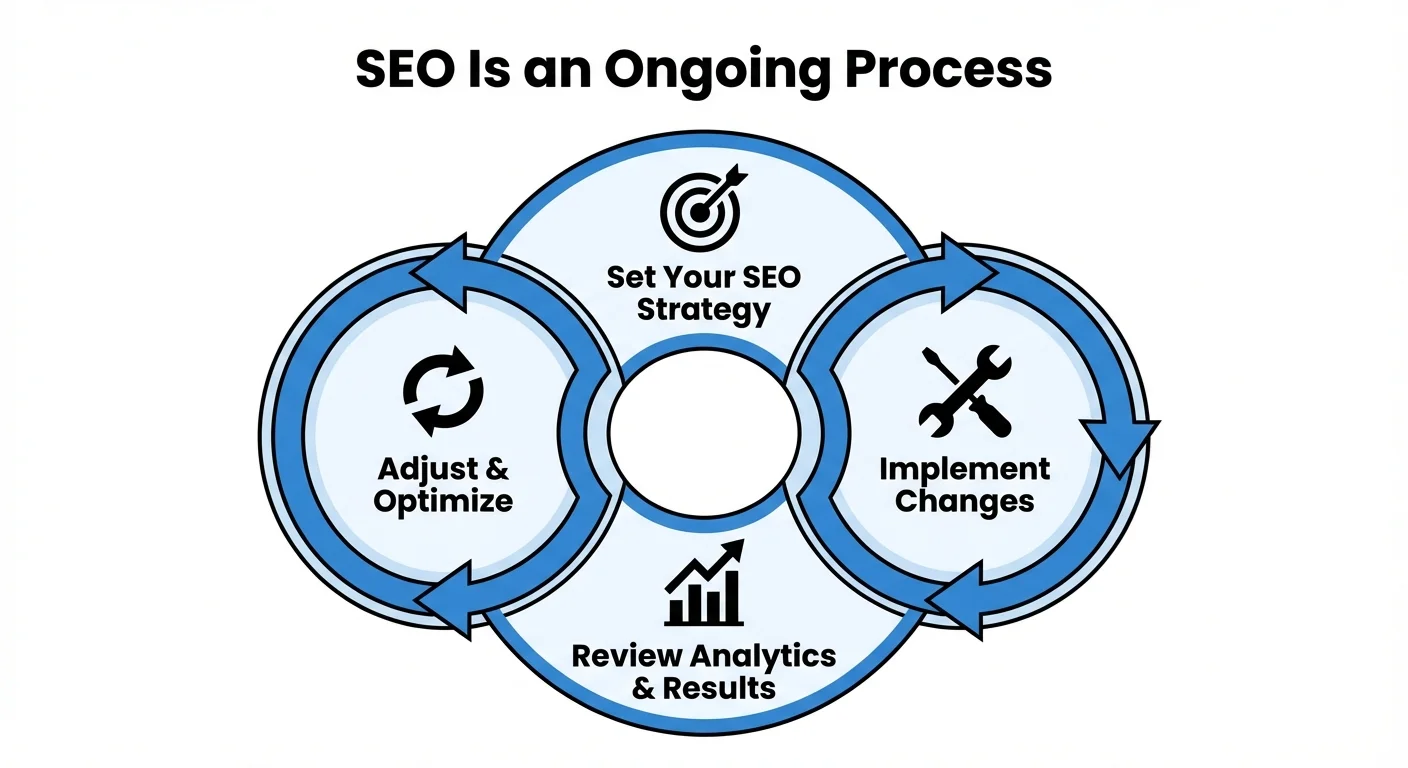
SEO is not a “one and done” process that happens when your ticketing site is first built. You should have an SEO strategy and review that on a regular basis to make adjustments in areas where your ranking performance is lower than what you would like.
And what types of adjustments should you make? In this post we’ll explore some SEO best-practices for event planners.
Setting an SEO Strategy
These tips cover every aspect of your site from the content to the way it’s built. A full SEO strategy would likely include implementing all of these suggestions for the greatest improvement in your search rankings. But you may choose to make changes in small increments. Regardless of the scope of your SEO strategy, what’s important is:
- You set an SEO strategy
- You maintain that strategy, giving it time to be effective
- You periodically review analytics and results
- You adjust as needed
Event ticket sale sites like TicketsCandy have a strong development platform meaning you can make SEO-focused adjustments easily and without disrupting the experience of site users.
Are Keywords the Key to SEO?
Keywords are one of the constant pillars of an SEO strategy. Years ago, people would stuff any keyword into their site, even if it wasn’t relevant to the business. They were just casting a wide net hoping to attract anyone to their site. That’s why if you searched for Britney Spears you might get her site, a ticket sellers site, and a random plumbing company site in your search returns.
Today search engines are more sophisticated and will rank sites that are overstuffed with keywords lower, no matter how relevant they may be. This means that ticket site developers need to be more deliberate and specific with their keyword use.
It’s not just the use of keywords that have changed either. “Keywords” have gotten longer and more detailed as consumers have become more savvy searchers. And there is a benefit in this for event planners.
Generate Hyper-Local Results
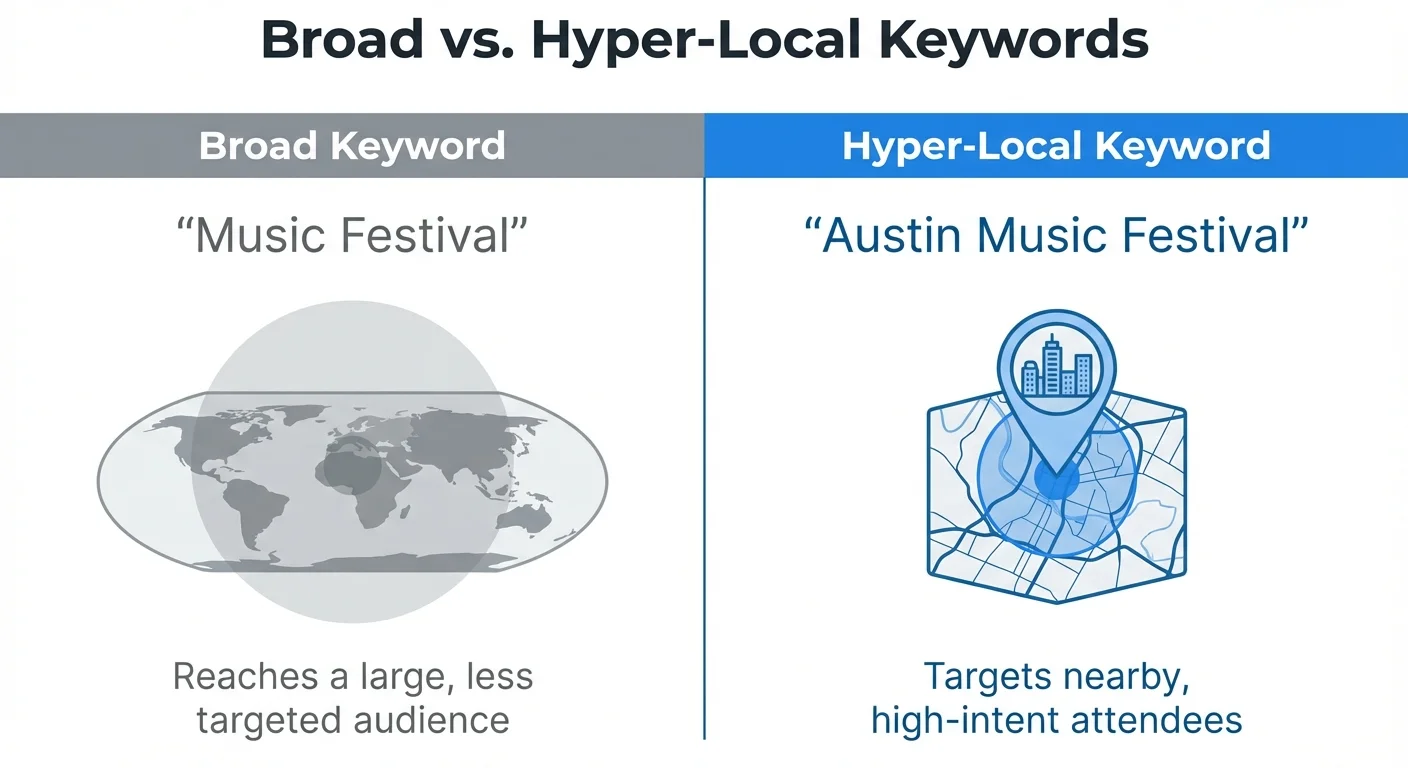
Utilizing specifically curated keywords on your site helps you to reach hyper-local audiences. This is important because the majority of an event audience comes from a set radius around the venue.
While “music festival” could be a keyword, because it is broad, using it may have your ticket site being shown in search results to a wider pool of potential attendees. Using a more specific “(CITY) music festival” will help those potential local attendees find your site faster.
One note about the use of keywords: It’s important to incorporate them naturally into the site. Putting relevant keywords into page headers and descriptions not only helps search engines, it also lets consumers quickly know that they are at the right site.
Increase Your Sites Page Loading Speed
We’ve all done it – we’re searching for something, see a link, click on it, and then…nothing. If a page takes anything more than a fast second to load, we’ll hit the back button and it’s on to the next result.
For ticket sellers, this just doesn’t mean the loss of a sale for one event, it can mean the loss of a lifetime customer as the person looking for tickets is likely to return to the site where they had a good experience for their next ticket purchase.
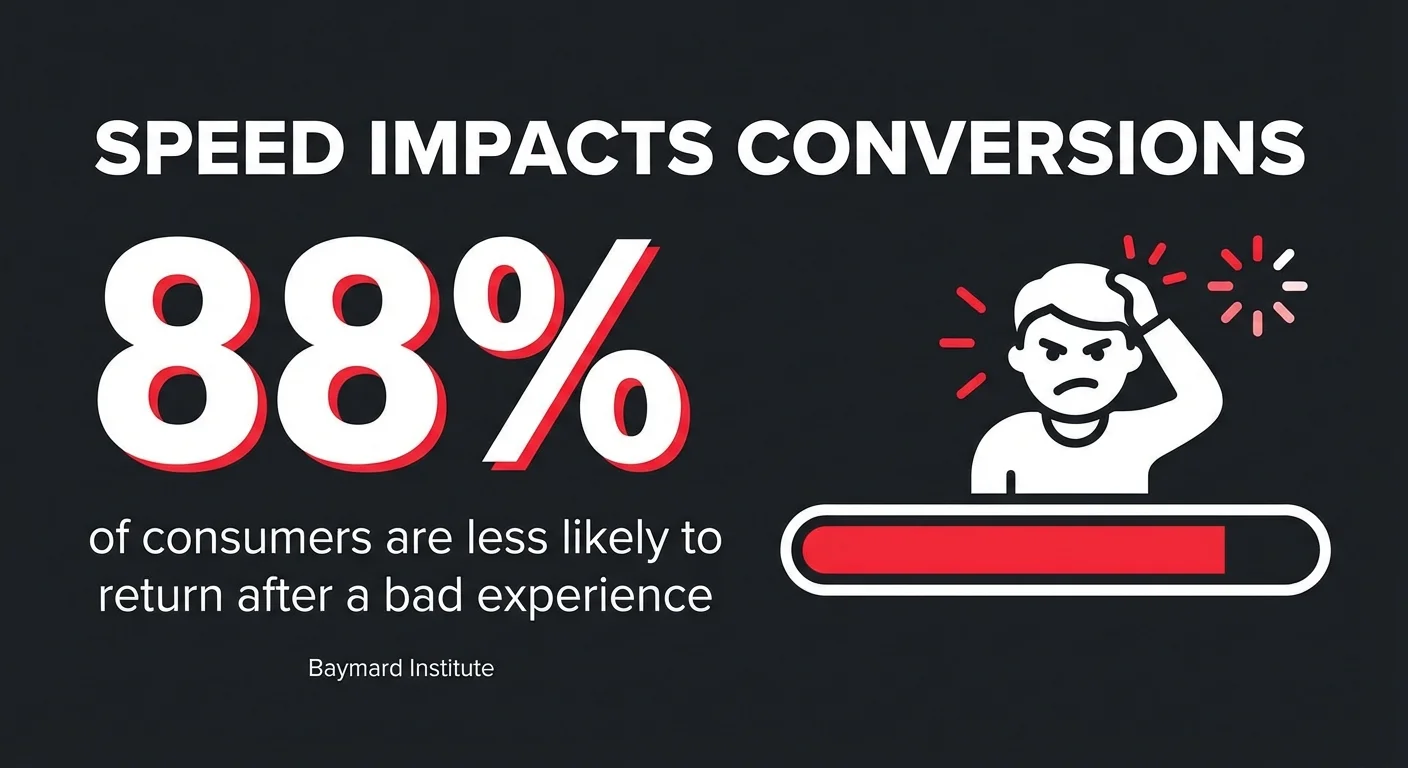
88% of consumers online are less likely to return to a site after a bad experience according to the Baymard Institute.
Not only does the time it takes to load a page affect consumer use, it also is an important part of the SEO equation. So it will be important for developers to write code that loads pages sequentially and for your design team to optimize images so that critical information of the page loads quickly.
Accessibility and SEO
The Web Content Accessibility Guidelines (WCAG) 2.2 offer clear, detailed requirements for managing and maintaining accessibility standards. While these are generally not enforceable, following them can provide users with a smoother, more focused site experience. An accessible site also helps with site visibility.
Search engines “read” and review every page of your site and catalog it so that when a user searches for a term, the search engine can review its catalog and display relevant sites. If your site is built to accessibility standards that makes it easier to review, catalog, and then display in search results.
Some of the accessibility standards that event planners should incorporate into their site are:
- Adding alt text to images so that if someone is searching for a specific type of event or an event in a location, the images can be understood.
- Using text in links that tell you what to do and what will happen, not just to “Click Here.”
- Ensuring that forms work in screen readers so they don’t appear broken. Broken pages can lead to lower search engine rankings.
- Following a strong page hierarchy. For example: What the event is, Where it is, When it takes place. This allows a search engine, and page visitors, to know which pieces of content are the most important..
The Role of AI in SEO
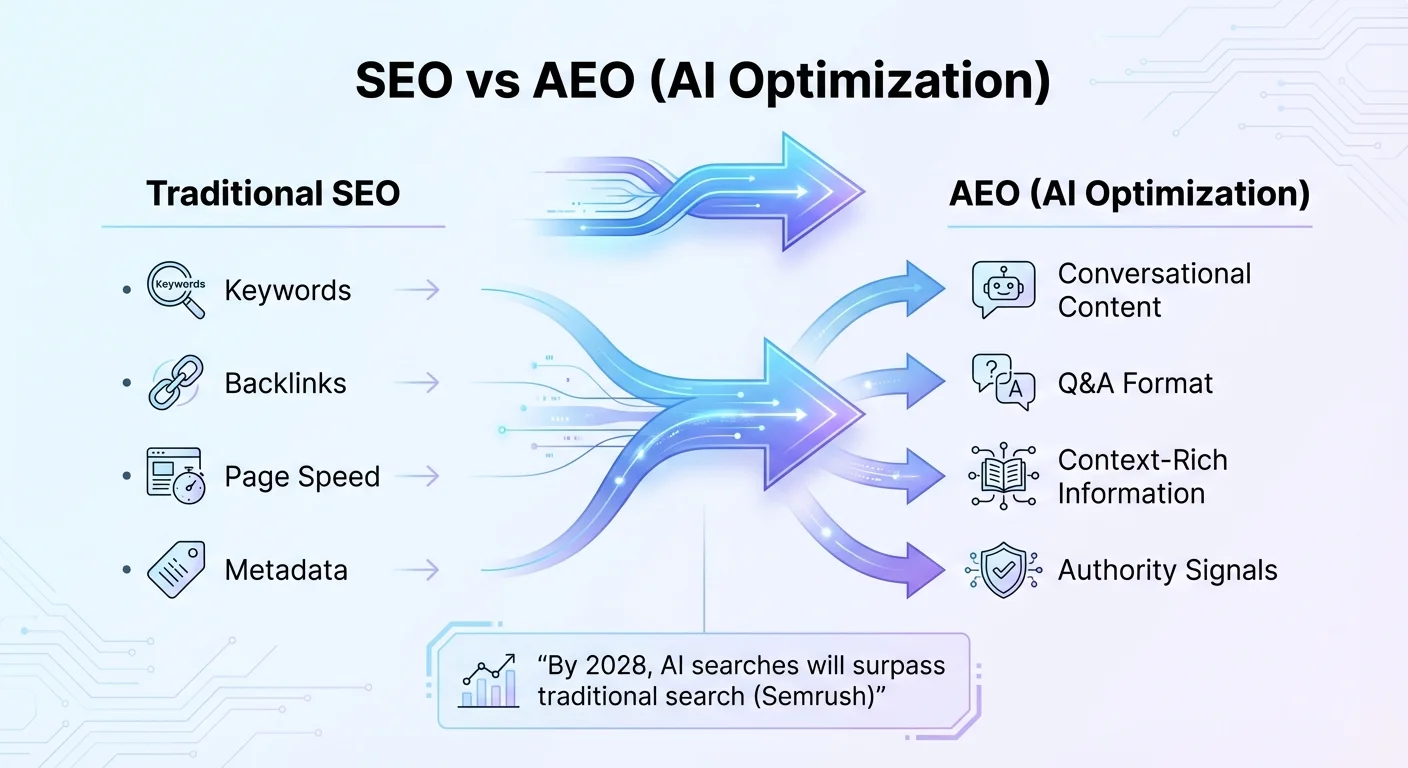
Have you seen the term AEO? This AI-focused SEO strategy could be considered the next evolution for site rankings. While traditional SEO is focused on things like site accessibility, keywords, and linking, AEO is all about how an AI tool sees your site and how it processes what it sees into an answer.
When a person asks an AI-driven chat agent “What festivals are around me in a thirty mile radius that are family focused, have live music, and cost under $20” your site will need to be AEO optimized in order for the AI tool to consider it in the response.
This can mean:
- Providing content that is more conversational and complete instead of being keyword-heavy and siloed.
- Having self-contained question and answer sections so that an AI-powered search can easily extract needed details.
- Creating a strong backlink program so AI-agents see your site as a consistent authority in the ticket selling space.
According to Semrush, by 2028 there will be more searches using AI tools (like LLMs) than traditional web browsers.
Conclusion
SEO remains one of the most important tools in the event organizers promotional toolbox. TicketsCandy understands this so well that we’ve made these SEO best practices an important part of our site structure.
With TicketsCandy, you’ll find a proven SEO infrastructure in place that you’ll just need to populate with the details for your venue and events. And as SEO evolves, so will our approach. That means all you have to do to dominate search results is continue using TicketsCandy while hosting the best events around.
Are you ready to get started?
FAQs
- How often should we review our SEO rankings?
It’s important to review your SEO rankings with tools like Google Analytics regularly but remember change doesn’t often happen overnight. Those reviews will give you an opportunity to check your site’s search engine performance and make adjustments to your SEO strategy. But you’ve got to give that strategy time to take hold.
- What exactly is organic search traffic?
Organic traffic to your site comes from people just searching your venue or looking for an event and clicking on one of the search results. This is different from visitors to your event site who come through an ad or something like a sponsored link in Google. For context, organic traffic accounts for 94% of all click-thrus to a site.
- How does AI affect SEO?
As more people use AI-tools as essentially search engines, the fundamental way that sites are built and content is written will need to change. This new approach to SEO is called AEO.